
Hypertrophic Scars vs Keloid: What’s the Difference?
Learn the difference between hypertrophic scars and keloids, including how they grow, common risk factors, and when to seek professional advice for scar care.
Not all raised scars are the same. Two of the most commonly confused types are hypertrophic scars and keloids. While both appear thick, raised, and firm, they behave differently and may need different management approaches. Understanding the difference can help patients and healthcare professionals choose the right next step in scar care.
What Is a Hypertrophic Scar?
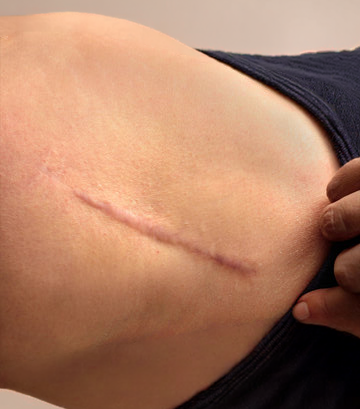
A hypertrophic scar, forms when the body produces excess collagen during healing. These scars are usually thick, red or pink, and may feel firm or itchy. They often develop after surgery, burns, cuts, or other skin injuries.
The key feature of a hypertrophic scar is that it stays within the boundary of the original wound. In many cases, it may gradually become flatter and softer over time.
What Is a Keloid?
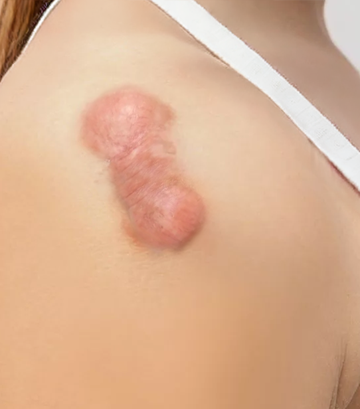
A keloid is a more aggressive type of scar growth. Like hypertrophic scars, keloids are raised and may feel firm, itchy, or uncomfortable. However, unlike hypertrophic scars, a keloid grows beyond the edges of the original wound and may continue to enlarge over time.
Keloids can develop after relatively minor skin injuries, including acne, piercings, injections, or small cuts. They are more likely to persist and are often more difficult to manage.
Key Differences Between Hypertrophic Scars and Keloids
Collagen is one of the main structural proteins in the skin, and it plays a central role in wound repair. When the skin is injured, the body produces collagen quickly to close the damaged area.
However, the collagen laid down during healing is not arranged in the same way as it is in healthy, uninjured skin. Instead of the organized structure found in normal skin, the repaired tissue may form in a denser or less uniform pattern.
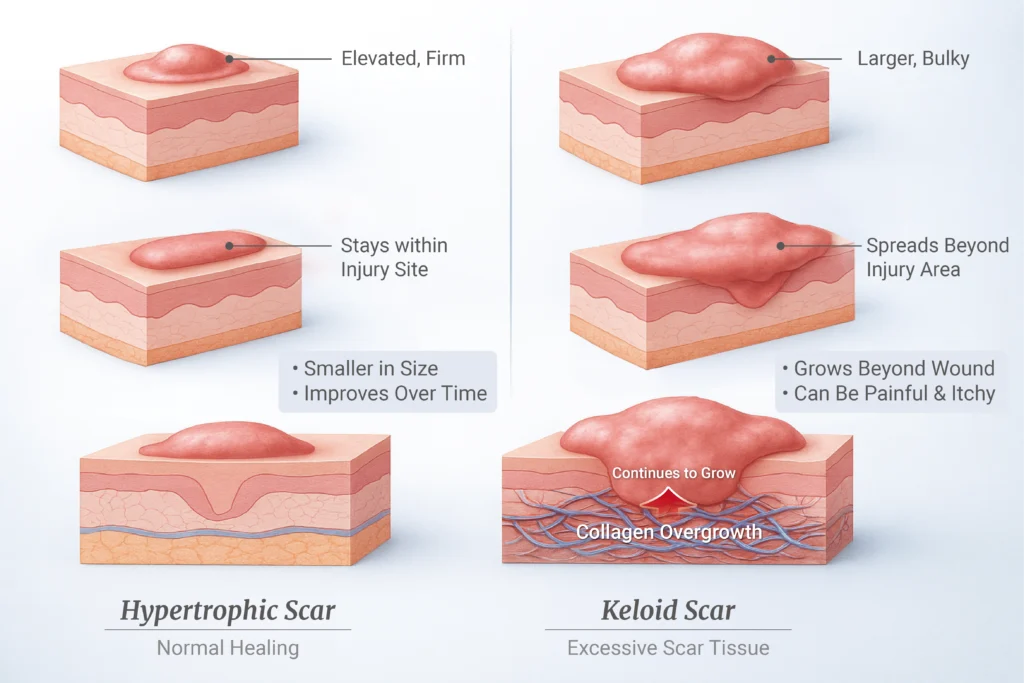
- Although they may look similar at first, there are several important differences:
-
Growth pattern:
Hypertrophic scars remain within the original wound area, while keloids spread beyond it. -
Progression over time:
Hypertrophic scars may improve gradually, but keloids are more likely to continue growing. -
Appearance:
Keloids often look more prominent, rounded, or extended, while hypertrophic scars usually follow the shape of the wound. -
Likelihood of recurrence:
Keloids generally have a higher risk of returning after treatment.
Common Risk Factors
Collagen is one of the main structural proteins in the skin, and it plays a central role in wound repair. When the skin is injured, the body produces collagen quickly to close the damaged area.
However, the collagen laid down during healing is not arranged in the same way as it is in healthy, uninjured skin. Instead of the organized structure found in normal skin, the repaired tissue may form in a denser or less uniform pattern.
Scar development varies from person to person, and not every wound heals the same way.
When to Seek Professional Advice
Once the wound is fully closed, scar care becomes an important part of skin recovery. This stage is when the scar is still developing, and the tissue continues to remodel over time.
- It is a good idea to seek professional advice if a scar:
- Becomes increasingly raised or thick
- Grows beyond the original wound area
- Causes itching, pain, or discomfort
- Limits movement
- Continues to worsen over time
Early assessment may help guide more appropriate scar management, especially in patients with keloid-prone skin or scars in visible or high-mobility areas.
Final Thoughts
Knowing whether a scar is a hypertrophic scar or a keloid is important because the healing pattern is not the same. While both are raised scars, keloids tend to grow beyond the wound and may require closer attention. With the right care and timely support, scar appearance and comfort may be better managed over time.
Explore Rystora scar care solutions designed to support skin recovery after wound closure.
